
Comprehensive Plan Watchlist #1: The Data Center Mailer Has Arrived in Manatee County
Before residents are asked to support a “huge economic impact,” we deserve to know who is asking, who benefits, and what impacts have been studied.

Comprehensive Plan Watchlist #1: The Data Center Mailer Has Arrived in Manatee County
Before residents are asked to support a “huge economic impact,” we deserve to know who is asking, who benefits, and what infrastructure costs come with it.
I knew the data center conversation was coming to Manatee County.
I did not expect the mailers to arrive this fast.
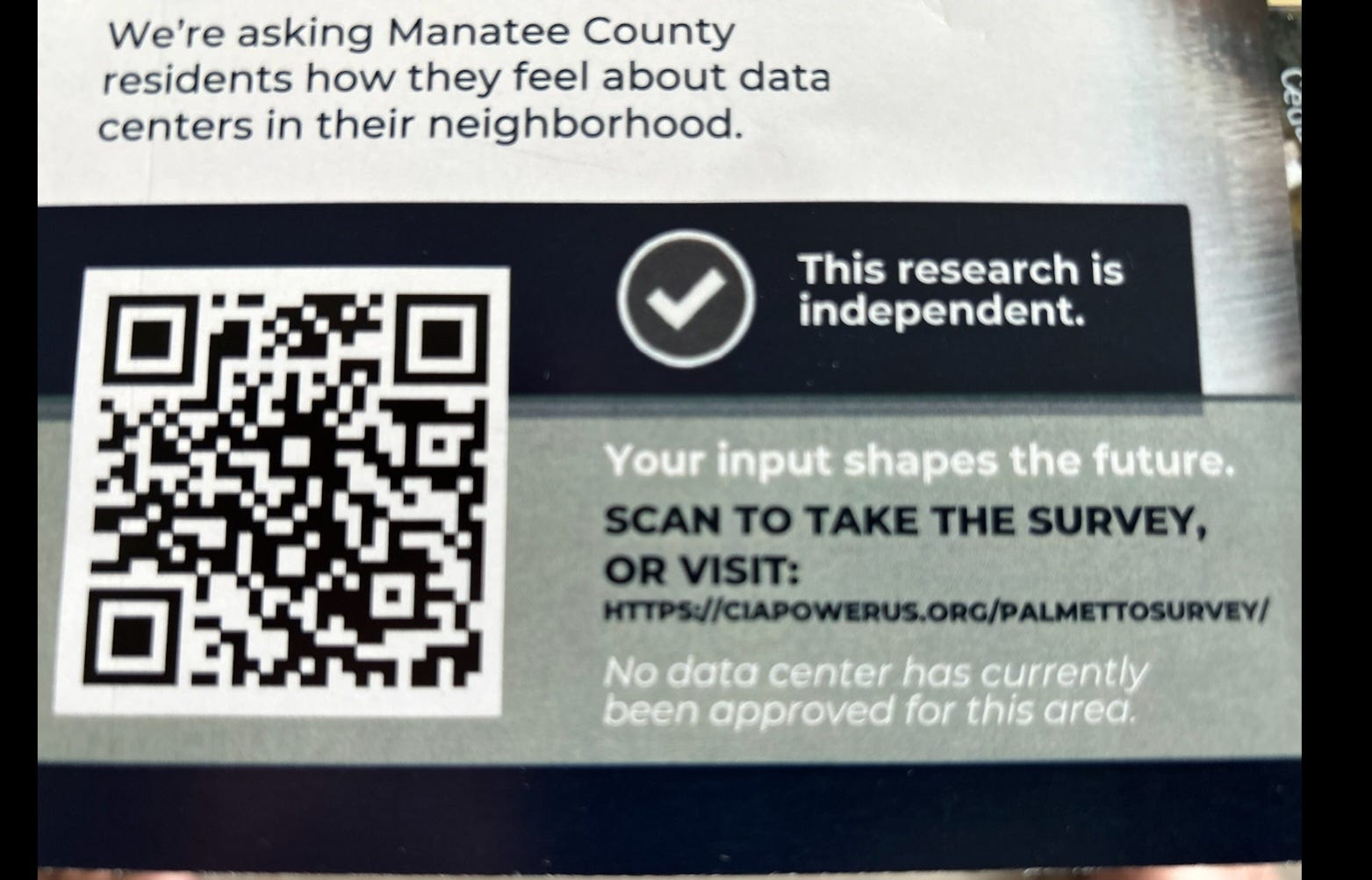
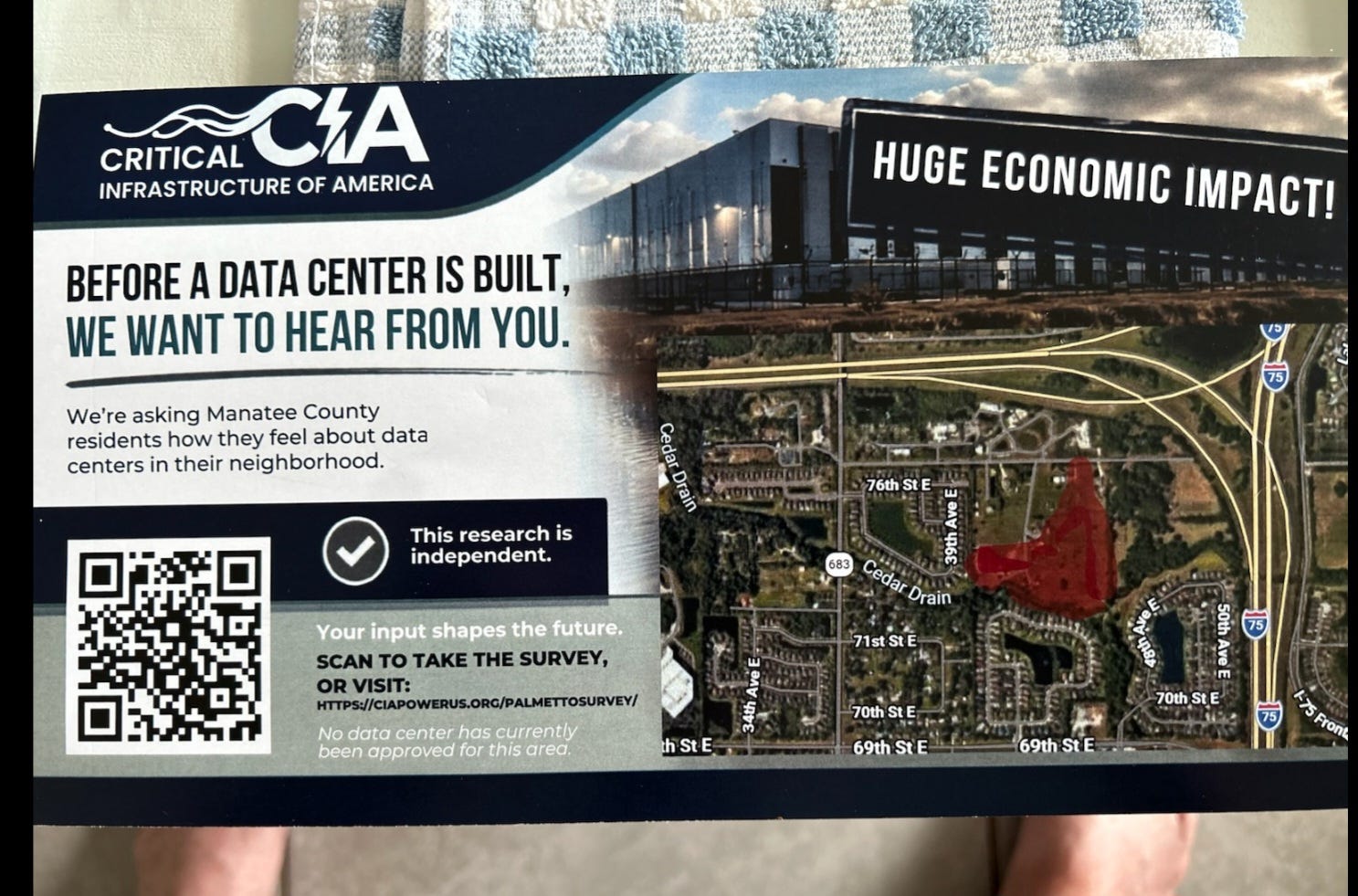
A friend received a glossy mailer asking Manatee County residents to take a survey “before a data center is built.” The mailer shows a large data center image, the words “huge economic impact,” a map near I-75 and Cedar Drain, and a QR code directing people to a survey through Critical Infrastructure of America.
The small print also says: “No data center has currently been approved for this area.”
That sentence matters.
Because if no data center has been approved, then residents deserve to know exactly why this mailer is already in circulation, who paid for it, who benefits from it, and what land-use pathway is being prepared.
This is not neutral public outreach from Manatee County.
This appears to be organized advocacy entering our local conversation before residents have been given the full facts.
Critical Infrastructure of America describes itself as a national advocacy organization with local reach and impact. Its stated role is to shape how infrastructure is understood in communities and policy environments where decisions are made.
That is exactly why Manatee County residents need to pay attention now.
A survey is not the same thing as informed consent.
Before anyone asks residents whether they support a data center, residents deserve answers to basic questions:
How much power would it require?
How much water would it use?
Would it require new transmission lines, substations, cooling infrastructure, or backup generation?
Who pays for the supporting infrastructure?
What happens to nearby neighborhoods?
What are the noise, heat, stormwater, traffic, emergency response, and environmental impacts?
What zoning category would allow it?
Could it slip through under light industrial, warehouse, logistics, technology, or another broad land-use category?
And most importantly: who is financially behind the push?
I am not saying every data center is bad.
I am saying hyperscale AI data centers are not ordinary warehouses. They are massive infrastructure projects with massive power, water, land, cooling, and community impacts.
That is why Manatee County must specifically define and regulate Hyperscale AI Data Centers in the Comprehensive Plan and Land Development Code before a project is already moving through the system.
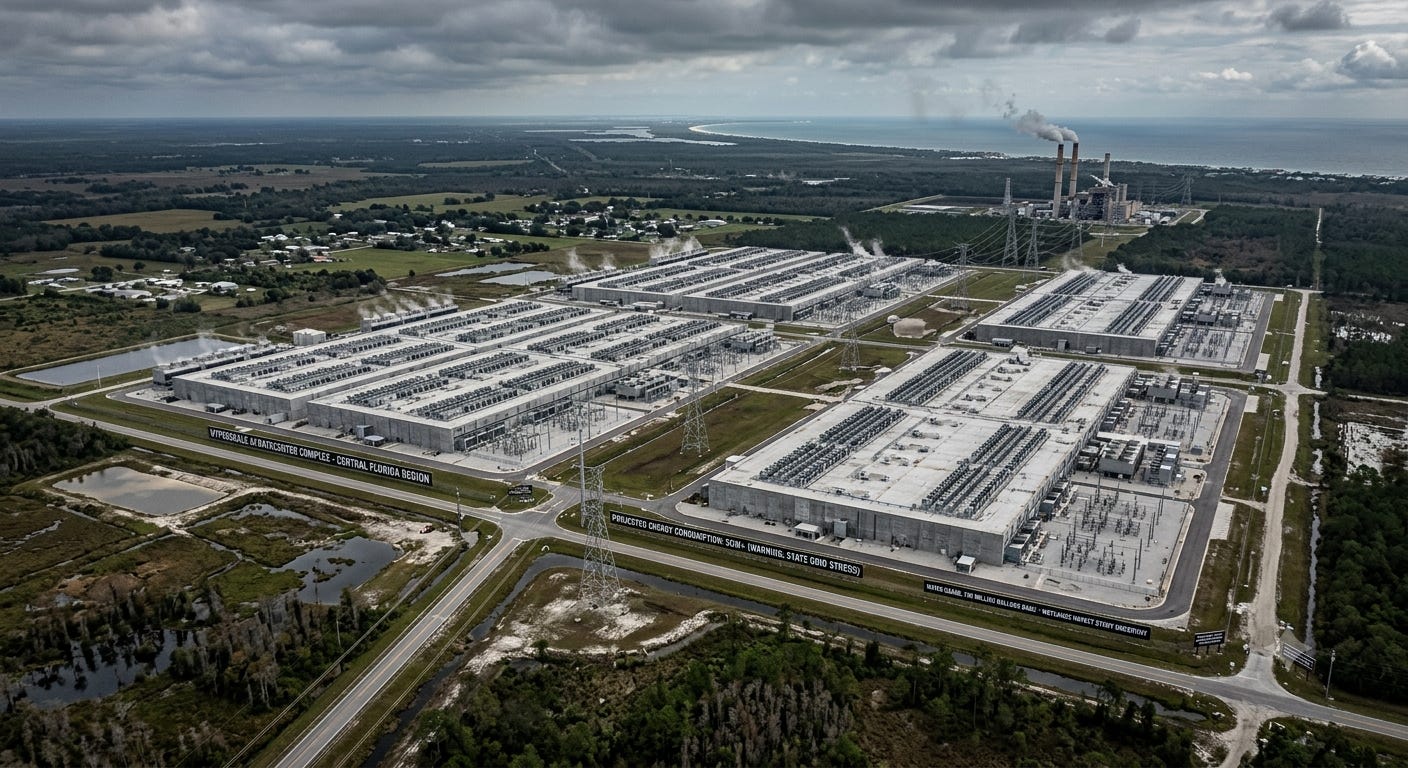
If the Comprehensive Plan does not clearly define them, then vague language could become a loophole.
And if we leave loopholes open, someone will eventually try to walk through them.
This is exactly why I started the Comprehensive Plan Watchlist.
Residents should not have to react after the pressure arrives. We should plan ahead, define the terms, close the loopholes, and protect our communities before decisions are framed as inevitable.
Manatee County needs clear rules, public hearings, infrastructure review, water and power impact analysis, environmental review, emergency planning, and full transparency before any data center proposal is treated as a done deal.
The mailer has arrived.
Now the public needs the full story.
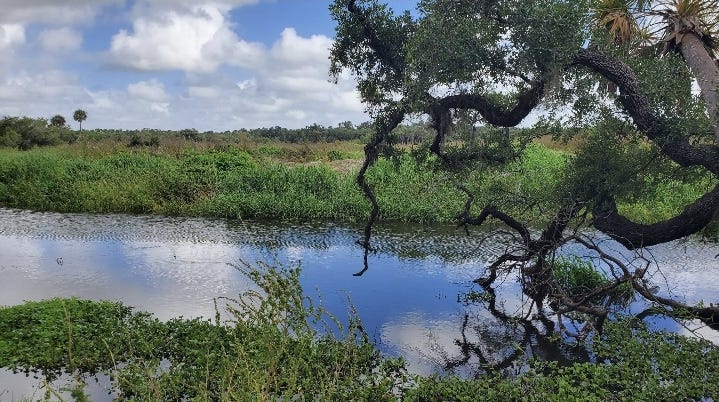
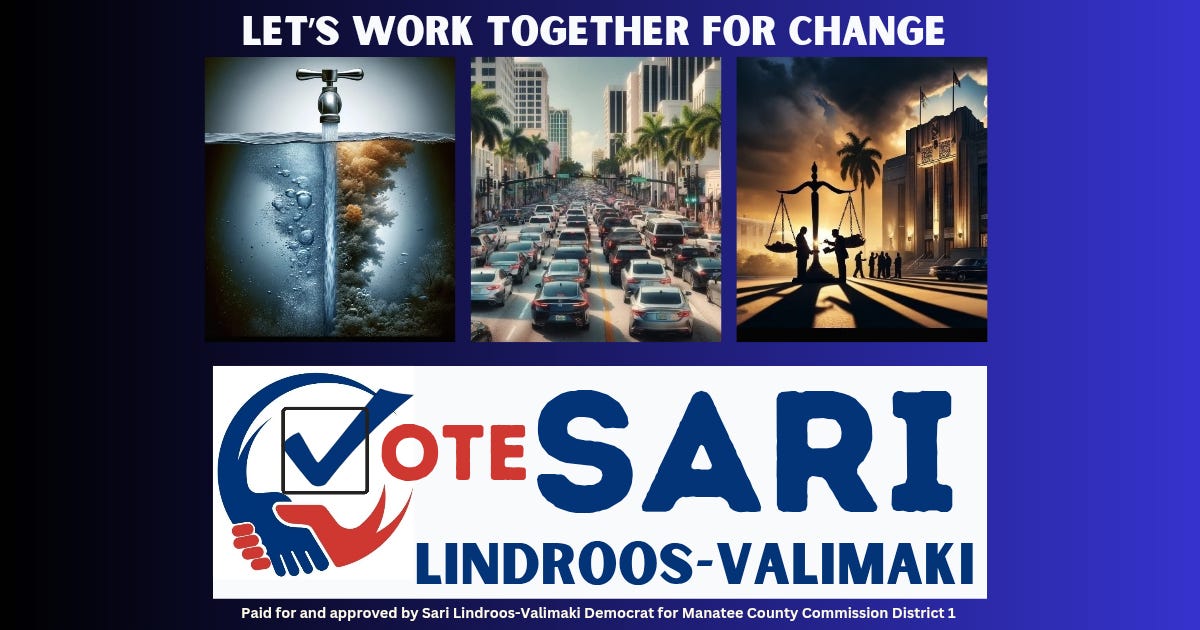
Campaign note: I am running for Manatee County Commission District 1 because issues like this need to be addressed before they become emergencies. If you believe Manatee County needs proactive leadership, please share this post, join my team, or support the campaign.
This is a good public service exposing the first volley of what is clearly going to be a large campaign to advocate for a data center. This mailer contains charged language and is not the kind of alert that reputable public opinion researchers use for soliciting respondents for a scientific poll of public opinion.